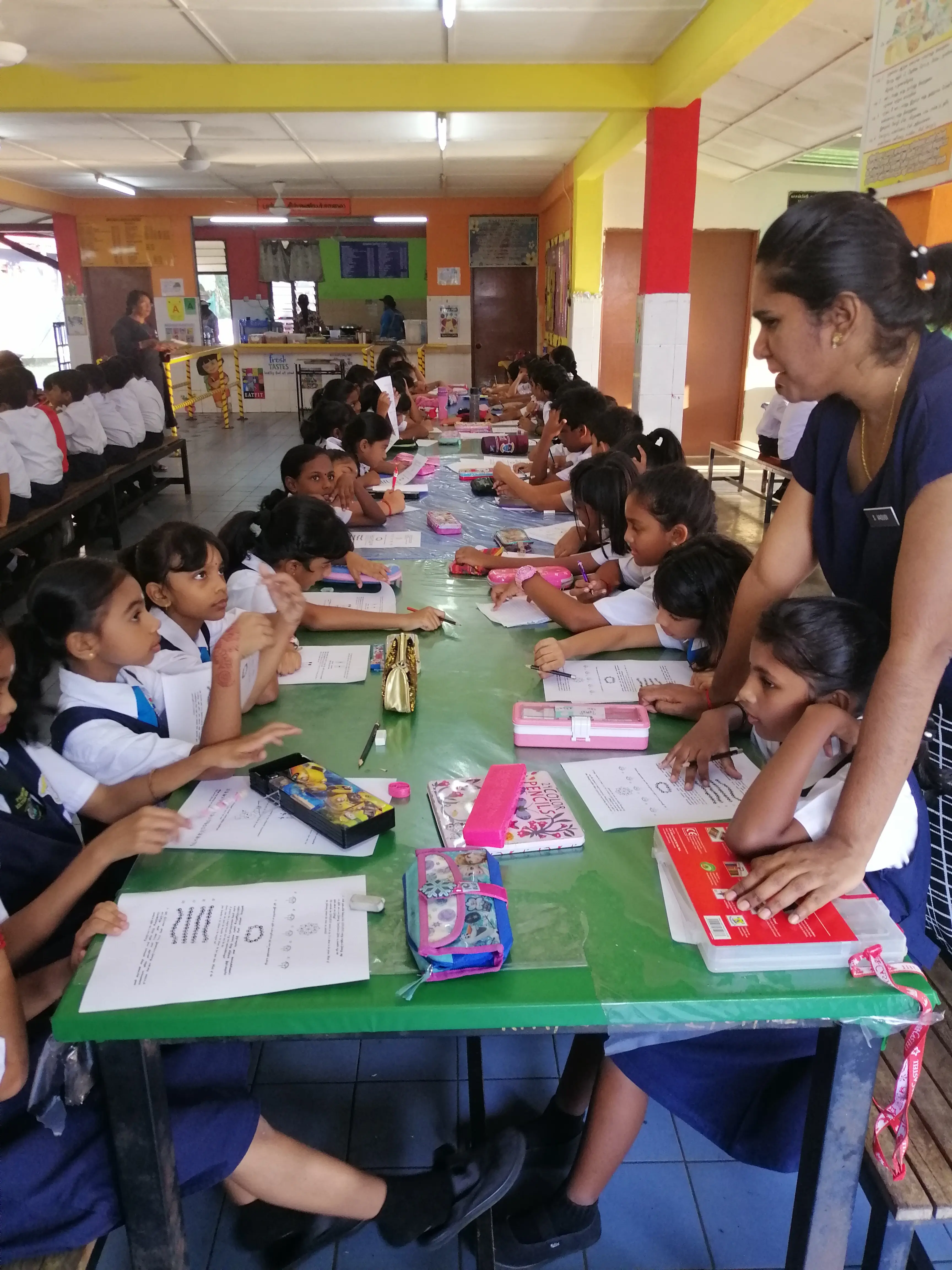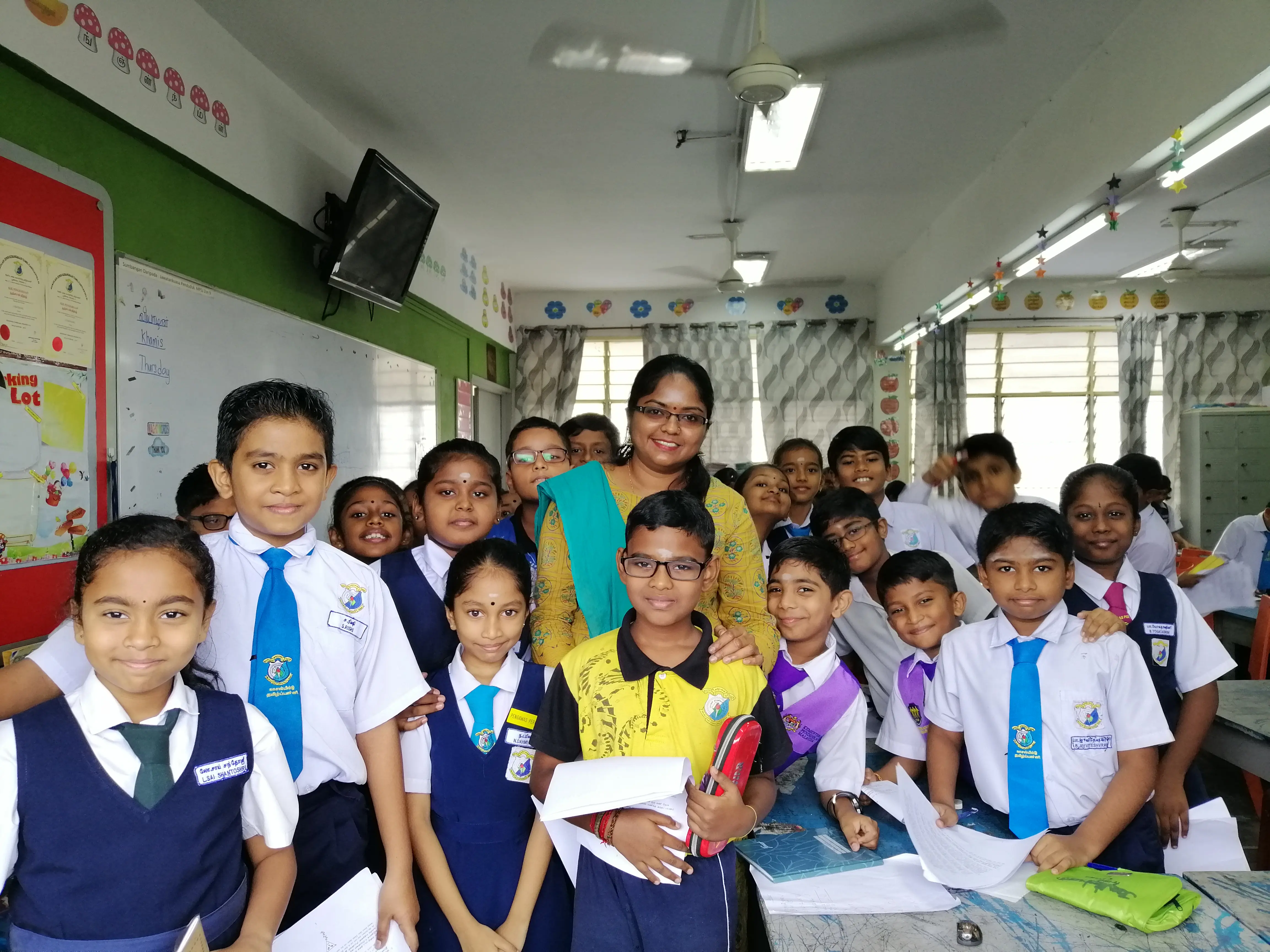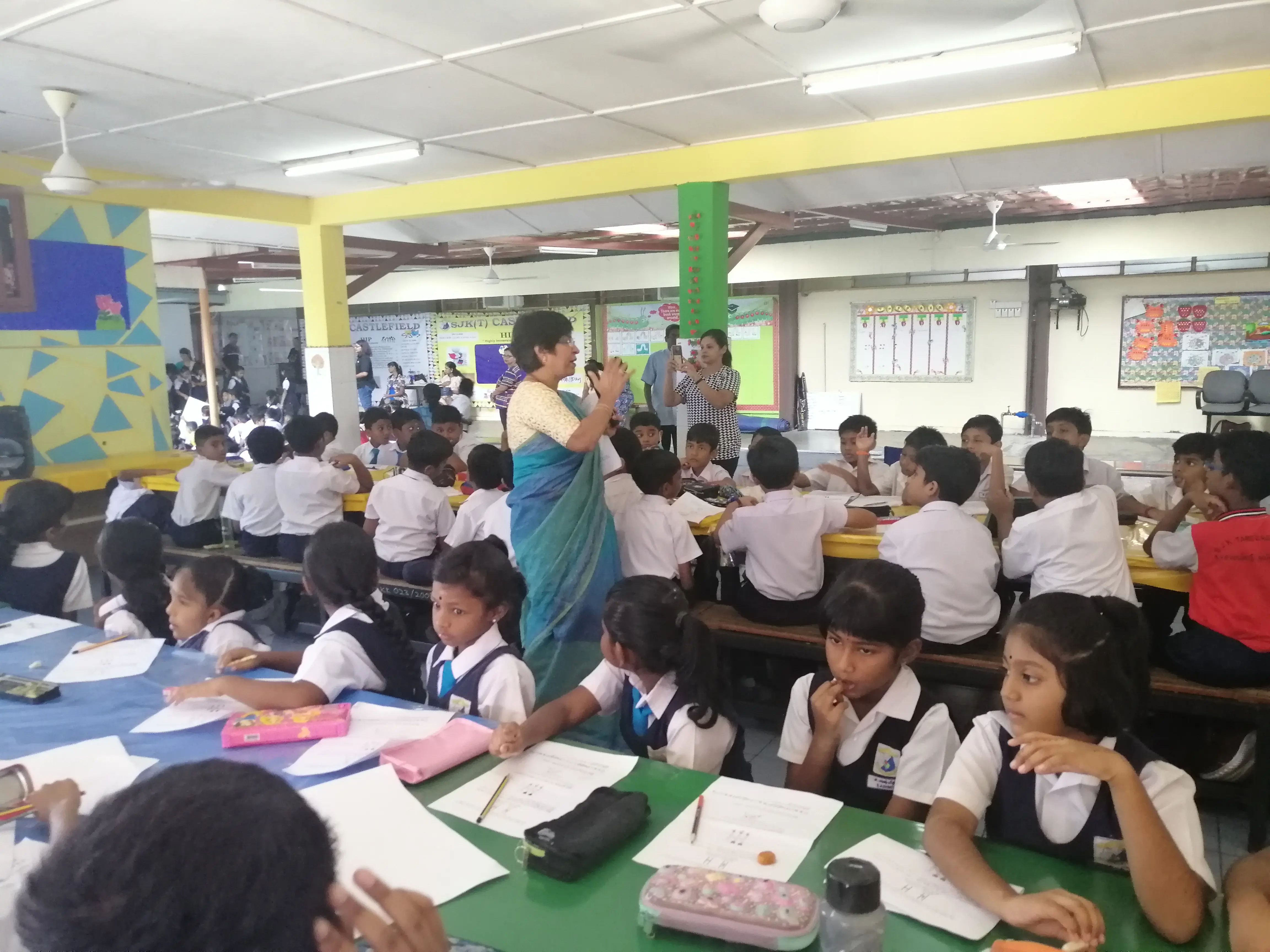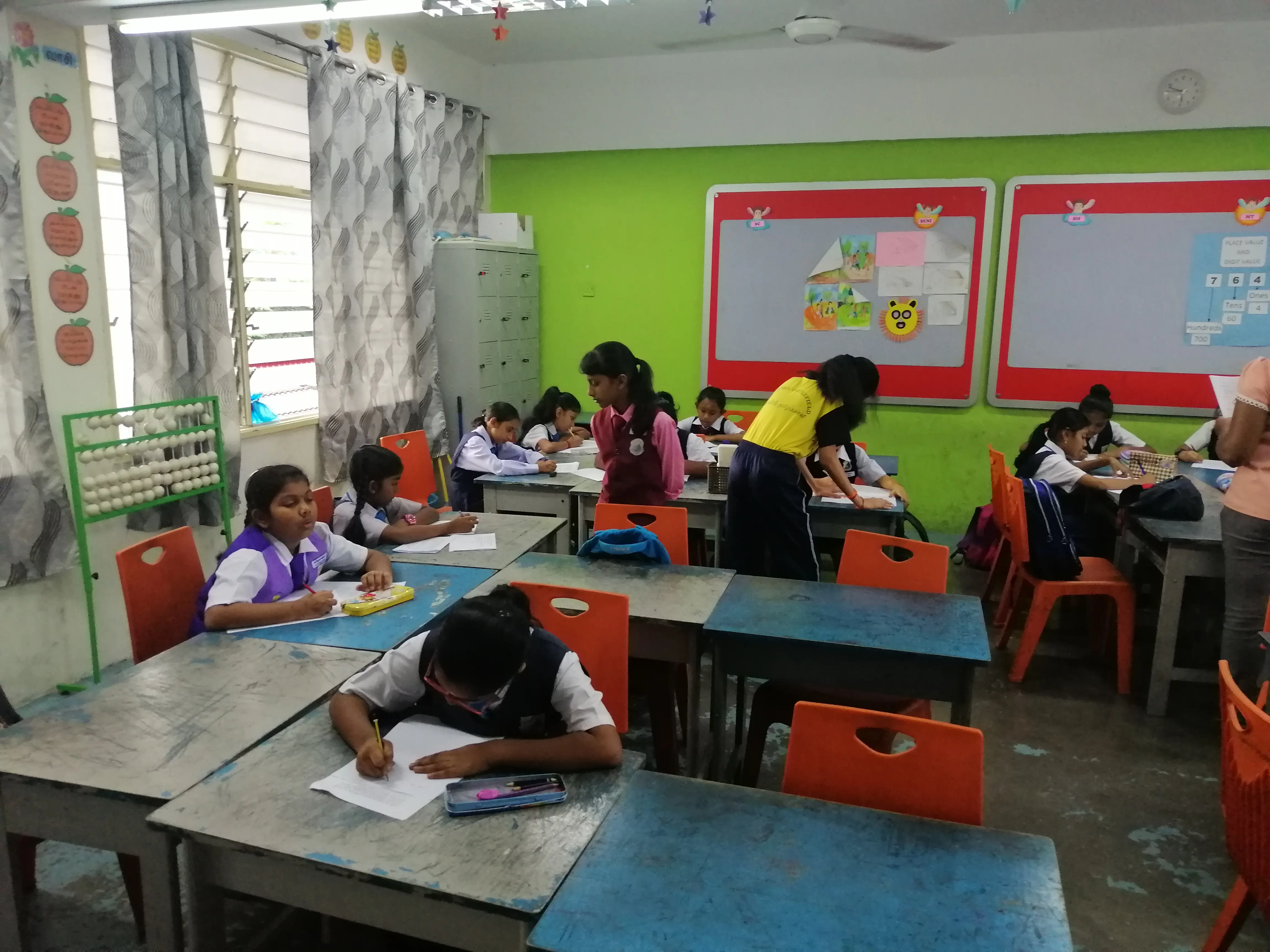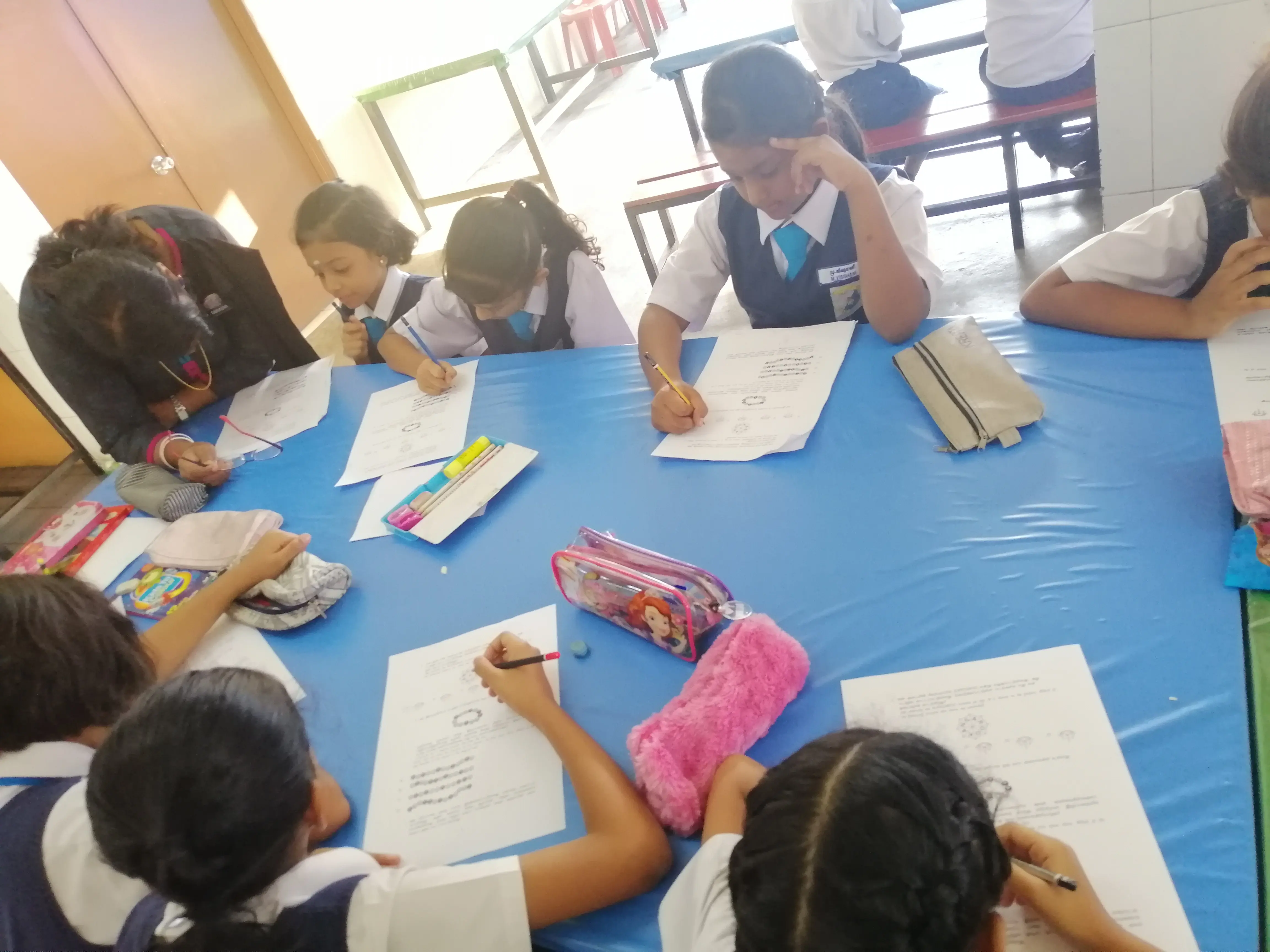
Students
Develop deep confidence in algebra, learn to communicate their working, and see how maths connects to reality.
Building strong mathematical foundations through graded questions, guided practice, and dedicated tutorial support. We turn a "scary" topic into a core strength.
Many students find algebra challenging because it introduces symbols and abstract thinking. The Ilham Algebra Competition is designed to guide students step by step, so they can see patterns, understand “why” a method works, and become confident in using algebra to solve problems.
Questions are structured in progressive levels, starting from simple patterns and number sentences, moving towards complex equations and word problems. This structure allows teachers and parents to accurately track how students are progressing over time.
Organised to match the school curriculum and students’ readiness, ensuring a fair and challenging environment for all participants.
Note: Detailed level descriptions and eligibility criteria are provided in the yearly competition handbook.
A key feature of the Ilham Algebra Competition is that learning support is built directly into the programme. Students are never expected to “figure it out alone.”
Instead, they are actively guided through concepts and problem types via our tutorial sessions. These sessions are conducted online or in collaboration with partner schools, ensuring every participant has the tools they need to succeed.
Details for the upcoming Ilham Algebra Competition—including exact dates, the registration process, and entry fees—will be published here and in our News section.
Schools are highly encouraged to identify participating students early so they can take full advantage of the tutorial sessions and practice materials.
This programme is designed so that everyone gains from the process, not just from the final results.
Develop deep confidence in algebra, learn to communicate their working, and see how maths connects to reality.
Gain structured materials for teaching algebra and discover fresh ideas for classroom practice and assessment.
Build a robust culture of mathematics excellence and provide recognition for students who enjoy problem-solving.